Choosing a patio for your Clemmons home starts with how you want to use the space. Pavers and poured concrete can both create a practical area for dining, seating and everyday outdoor use. The right choice depends on the design, site preparation, drainage, maintenance and the scope of your estimate.
Compare the finished look and layout
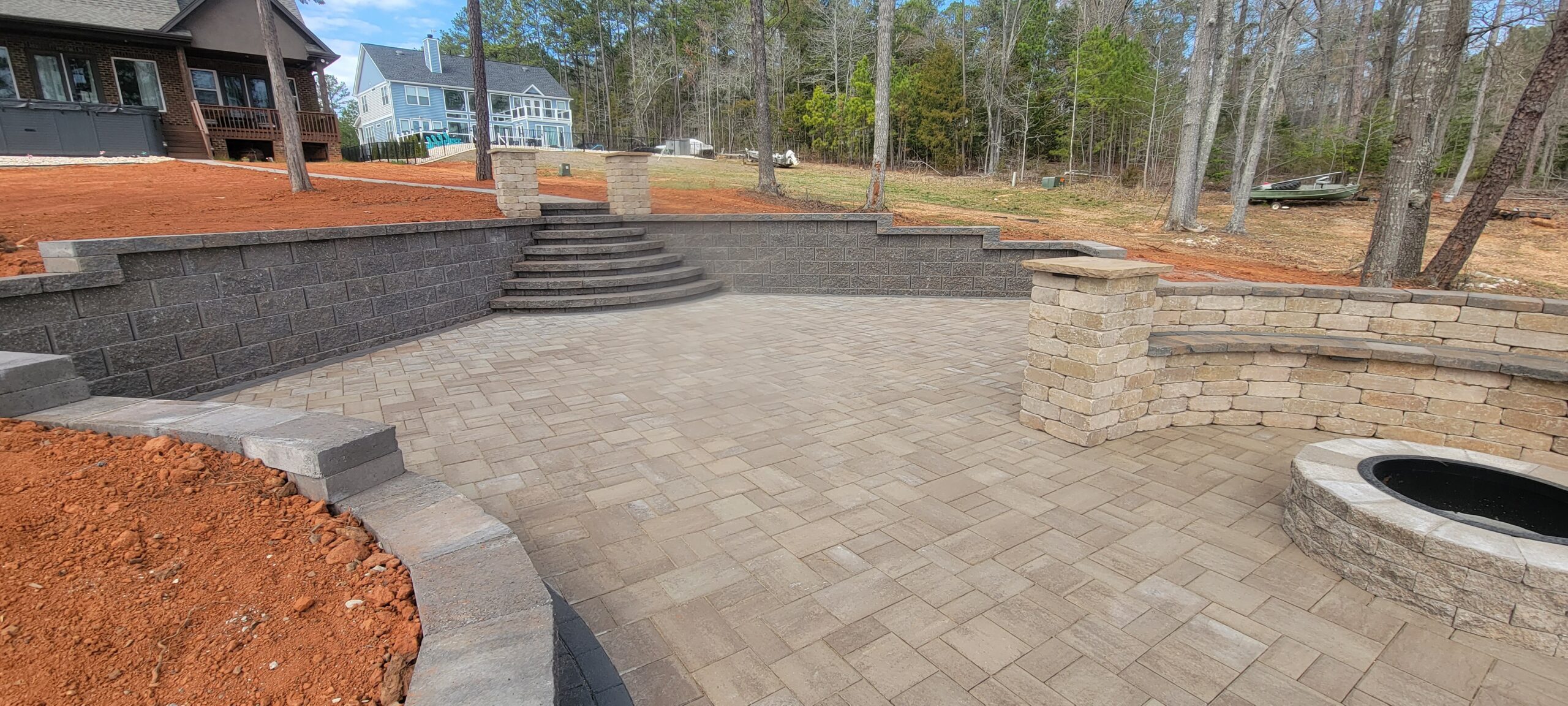
Pavers offer individual units arranged in patterns, with borders and contrasting colors. Poured concrete can have a simple broom finish or decorative treatments such as coloring and stamping. Compare actual samples and finishes alongside your home rather than choosing from a small online photograph alone.
Before choosing a material, sketch your furniture, door openings, walking routes and any future outdoor features. A surface that looks good also needs to work with the way people move through the yard.
Compare estimates with the same scope
Ask for separate estimates for the same patio footprint and intended use. Include removal of existing material, site access, excavation, base preparation, drainage, finish details and cleanup. Decorative choices and difficult access can change either proposal, so a headline price per square foot does not tell the whole story.
Ask what maintenance is recommended for each proposed product and what any written warranty actually covers. Do not assume either surface guarantees a particular lifespan or a return when you sell your home.
Preparation matters for both surfaces
The contractor should assess the ground beneath the patio and plan for the loads it will carry. Soil conditions vary by property; a town name alone does not establish what is under your yard. Ask how soft areas, existing fill and drainage will be addressed. Base depth and construction details should suit the site and selected system.
Concrete can crack, but a crack does not automatically mean the whole patio has failed. The National Ready Mixed Concrete Association’s guide to concrete cracking explains the importance of subgrade preparation, joints and curing. Ask your installer to explain the joint layout and curing plan. Have significant movement or uneven surfaces assessed before choosing a repair.
Plan for repairs and upkeep
Individual pavers can be lifted and reinstated, which can help with localized repairs or access below the surface. Color matching and the condition of the underlying base still affect the result. Concrete repairs depend on the cause and extent of damage; a patch may remain visible.
Both surfaces need cleaning and periodic inspection. For pavers, look for uneven units, damaged edges and joint material that needs attention. Follow the product instructions for joint sand, cleaning and any sealer. There is no single resealing or re-sanding schedule that fits every patio. The CMHA maintenance guide is a useful starting point for questions about paver care.
Decide where rainwater will go
Drainage belongs in the design before construction begins. Ask where water will flow from the patio and how the layout relates to doors, the house and neighboring property.
Standard pavers should not be treated as a permeable drainage system simply because they have joints. A purpose-designed permeable pavement uses a specific construction system; ask whether the proposed design is suitable for your site. CMHA provides a guide to permeable pavement construction.
If water already collects near the house, address that concern during planning. Our foundation drainage checklist explains what to observe. Exterior landscape drainage work is separate from diagnosing or repairing structural foundation problems.
Choose the option that fits your priorities
For a paver proposal, discuss patterns, border details and localized repair options. For a concrete proposal, discuss finish, joint placement and care requirements. For either, ask about required approvals, drainage and preparation before comparing the total price.
P&J Outdoor Creations LLC provides paver patios, concrete work and other outdoor construction services in Clemmons and nearby communities. Request a free estimate to discuss your layout and compare options for your property.
Frequently Asked Questions
Is it cheaper to do a paver patio or concrete?
Compare written estimates for the same size, preparation, access, drainage and finish. The total depends on the project; neither material is always the cheaper choice.
Does a paver patio add value to a house?
A patio can improve how you use your yard, but a specific increase in resale value is not guaranteed. Choose a design and budget that suit your household.
What are the downsides of using pavers?
Pavers have joints and individual units that need periodic inspection. Joint material, edges and any settled areas may need attention. Ask for maintenance guidance for the selected products.
How do pavers and concrete handle the local climate?
Both need a design suited to the site. Concrete needs appropriate preparation, joints and curing; pavers need a suitable base and edge details. Neither is immune to damage or settlement.
Leave a Reply